
WHAT IS PASSOVER IN THE BIBLE? A VISUAL GUIDE TO THE NIGHT THAT CHANGED EVERYTHING

Darkness falls on Egypt on the first Passover
What is Passover in the Bible and its Historical Origins
Believers trace the roots of Judeo-Christian theology back to ancient scrolls. Grasping what is Passover in the Bible requires a close look at the defining moment of Israel's physical and spiritual birth. This biblical record details a sudden leap from brutal slavery to sudden freedom.
The account traces a long path from the dusty brickyards of ancient Egypt to a lasting spiritual legacy. Walking through the specific rituals of that fateful night reveals the true biblical meaning of this feast. These historic occurrences continue to shape personal faith in the modern era.
The Exodus narrative begins with Jacob’s descendants suffering under severe Egyptian rule. Records indicate the Hebrew clans labored in Egypt for more than four hundred years. Pharaoh enforced this harsh servitude to keep the expanding population from rising up against his throne.
Moses received the task of demanding freedom for the Hebrew captives. Pharaoh refused to yield, hardening his stance even as nine devastating plagues wrecked his land. These disasters directly challenged local Egyptian gods, proving the supreme power of Israel's Creator.
The disasters systematically wrecked the local economy and religious hierarchy. Every blow targeted a specific deity revered by the ruling class. For instance, the sun god Ra was helpless against three days of absolute darkness.
For a complete, chronological breakdown of every judgment, see our full visual guide to the 10 plagues of Egypt in order.
The Final Plague and Divine Judgment
Understanding the weight of this event in scripture requires looking closely at the tenth plague. This final sentence on Egypt arrived with a terrifying warning. Every firstborn male in the land was marked to die, from the royal palace down to the beasts in the field.
Hebrew households had to follow precise instructions to escape this sudden wave of death. On the tenth day of the month of Nisan, each family chose a healthy, year-old male lamb. They kept watch over the animal until the fourteenth day, when they sacrificed it at dusk.
The families smeared the fresh blood on the sides and tops of their wooden doorposts. This mark served as a clear sign for the destroyer to pass over that dwelling. The blood on the wood stood as life given to protect life, keeping those inside safe from the plague.
When the final stroke fell upon Egypt, every home marked with blood was left unharmed. This act of passing over those marked houses gave the yearly festival its lasting name. It set in stone a deep theme of mercy meeting justice.
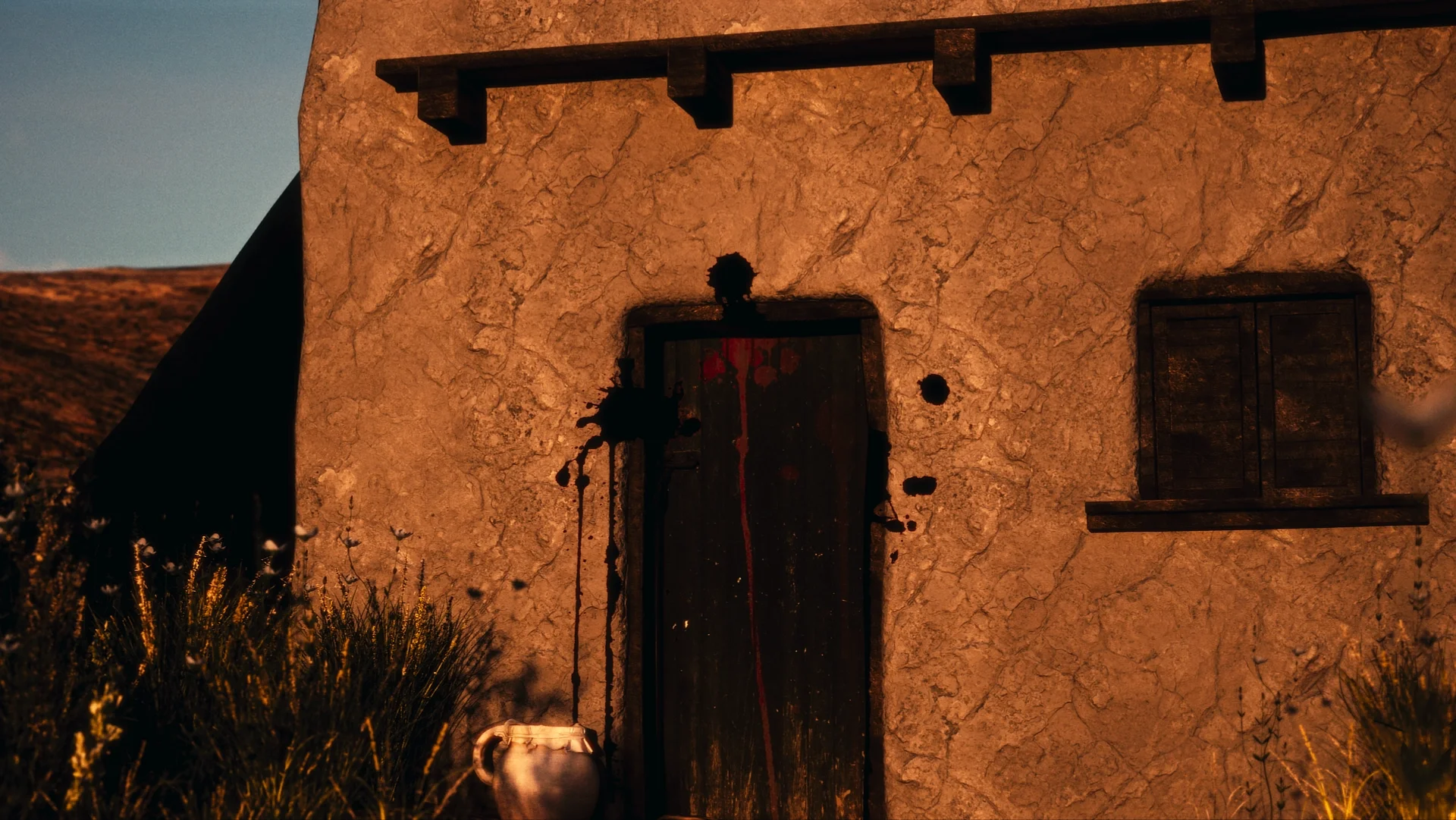
Blood of the lamb on the lintel and doorposts during the first Passover
Seder Customs and Biblical Symbols
The ancient feast shows how each item on the plate served as a clear lesson for future generations. Every food eaten during the meal recalled the bitter reality of slavery and the rapid flight to freedom. The original decree called for three items: roasted lamb, flat unleavened bread, and bitter herbs.
The roasted lamb represented the substitute sacrifice that spared the home's oldest child. Scriptural instructions forbade breaking any of the lamb's bones. This specific detail pointed forward to events that unfolded centuries later.
Unleavened bread, known as matzah, highlighted the speed of their escape. The people had no time to let their dough rise before fleeing. Since yeast represents corruption in biblical texts, this flat bread also symbolized purity.
Bitter herbs, such as horseradish, evoked the harsh life of slavery. Eating these herbs brought real tears to the eyes, mimicking the weeping of their ancestors. This sharp taste kept the memory of past suffering alive in their mouths.
Over the years, families developed the Seder, a structured meal designed to pass this history down to children. Seder translates to order, and the evening follows fifteen distinct steps from a text called the Haggadah. This manual guides the family, retelling the flight from Egypt through song, prayer, and shared actions.
The roasted lamb represents a substitute offering and safety from the plague of death.
The flat bread represents their rapid departure and moral purity.
The bitter herbs represent the painful memory of forced labor.
Spiritual Fulfillment in Scripture
The deepest meaning of this festival emerges in the New Testament, where writers call Jesus the true lamb. These authors viewed the escape from Egypt as a shadow of a greater rescue. Physical liberty from Pharaoh mirrors spiritual rescue from the grip of sin.
The Apostle Paul identified Jesus as the true focus of this ancient feast. He wrote to the church in Corinth that Christ, our Passover lamb, was sacrificed for us. This connection explains why the crucifixion took place during the annual spring festival.
During his final meal, which was this traditional feast, Jesus gave the bread and wine a fresh meaning. The flat bread became his broken body, and the wine represented his blood shed for forgiveness. This moment initiated the Christian practice of Communion as a lasting remembrance.
Just as the lamb's blood protected the Hebrews, the blood of Jesus shields believers from spiritual ruin. The requirement for active faith remains identical under both the old and new covenants. Ancient households had to brush blood onto their doors, and modern believers must actively trust in Jesus as their savior to be rescued from eternal torment.
Modern Lessons for Believers Today
Exploring this biblical record reveals a story of freedom, faith, and divine protection. This ancient account offers timeless guidance for modern life. Readers can find deep, enduring truths within the Bible.
This history helps people see how the theme of rescue applies to life today. True belief demands active steps rather than quiet agreement. The Israelites had to paint the blood on their doors to stay safe.
A way of escape exists even during times of severe trial. The lamb served as a substitute, showing how justice and mercy meet in one place. This pattern of one dying for another runs through the entire biblical text.
Remembering past rescue keeps faith alive for the days ahead. The annual feast was commanded so children would always know their heritage. Looking back at past help gives people courage to face new challenges.
Belief in God's promises must show itself through action.
Mercy and justice meet together in a substitute sacrifice.
Structured times of memory keep faith alive across generations.
Prefer to Watch Instead of Read?
We brought this entire visual guide to life on our channel. Hit play below to watch the cinematic retelling of the Passover story, explore the historical setting, and see the biblical narrative unfold in stunning detail.
