
THE 10 PLAGUES OF EGYPT IN ORDER: A VISUAL GUIDE
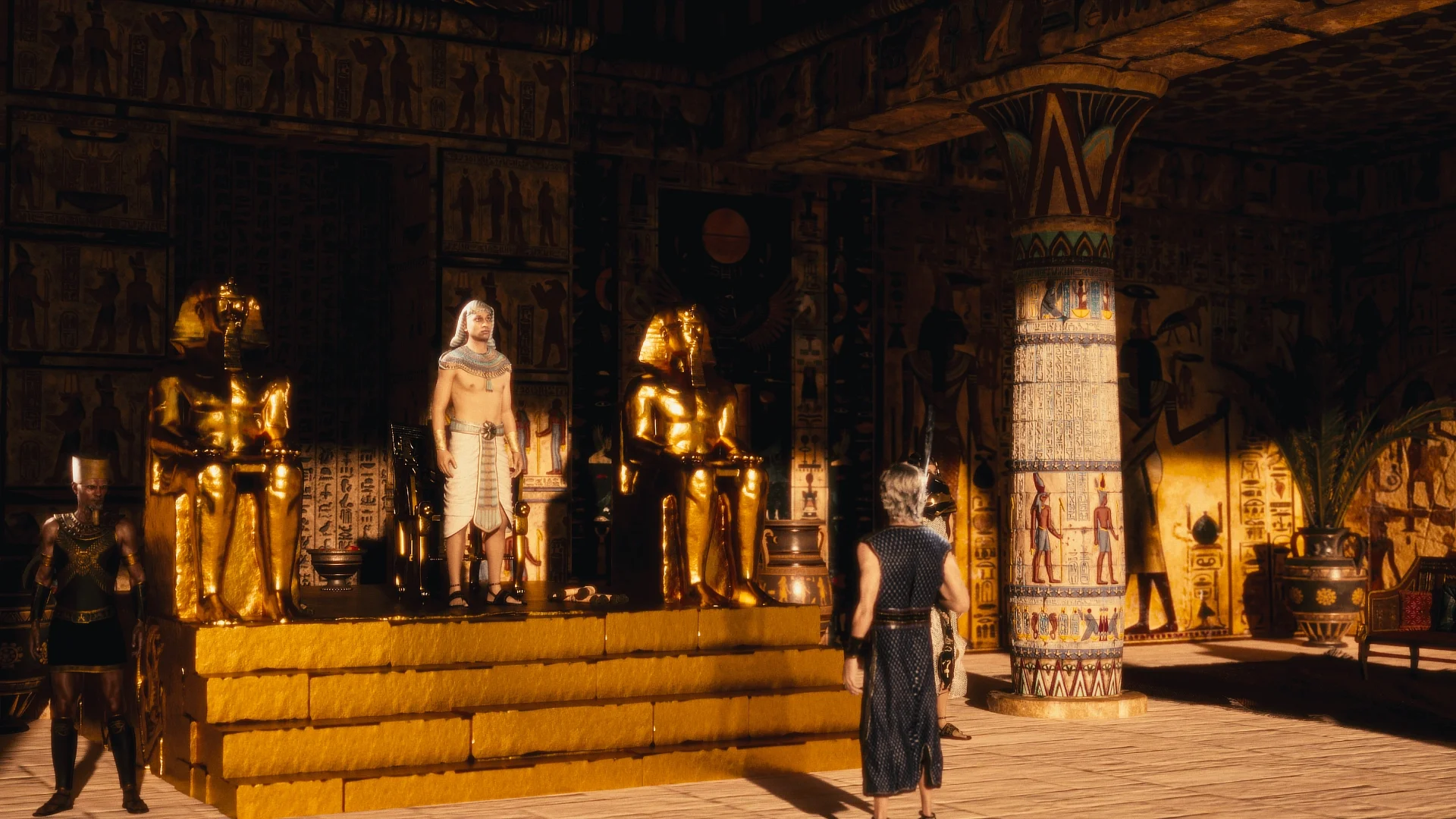
Moses confronts Pharoah in his palace during the 10 plagues
Ancient records from the Nile delta describe ecological ruins of biblical proportions. This chronicled investigation traces the path of these disasters and examines the physical remnants of a shattered empire. Readers will find a clear reconstruction of the timeline and history behind the 10 plagues of Egypt.
Scholars debate the physical forces that crippled the Nile Valley. Mapping these events requires weighing ancient religious scrolls alongside modern dirt-and-shovel discoveries. The old scriptures depict these crises as direct strikes against local deities.
Historical Context of the Biblical Plagues
Ancient Egypt depended on the seasonal flooding of the Nile River to nourish its crops. Pharaoh ruled as a living deity charged with maintaining cosmic order, a concept known as Ma'at. When this natural rhythm failed, the physical survival of the entire kingdom hung in the balance.
The conflict erupted when Moses and Aaron demanded freedom for the Hebrew workers in the eastern delta. At the time, Egypt sat at the peak of imperial might, boasting colossal stone temples and a feared military. The king's stubborn refusal triggered a cascade of ruin that tore the nation apart.
Each disaster struck a specific facet of daily survival, trade, and temple worship. The river, the soil, the livestock, and the sky itself became weapons. Tracking these events step-by-step shows how the societal collapse worsened day by day.
The Chronological Sequence of the Egyptian Plagues
The disasters followed a worsening spiral designed to shatter the authority of the crown. Every blow delivered worse devastation than the last, marching toward the final terrors. This timeline shows how the crisis unfolded.
| ORDER | PLAGUE | TARGETED EGYPTIAN DEITIES |
|---|---|---|
| 1 | The Nile Turned to Blood | Hapi and Osiris |
| 2 | The Infestation of Frogs | Heqet |
| 3 | Gnats or Lice from the Dust | Geb |
| 4 | Swarms of Flies | Khepri |
| 5 | Pestilence on Livestock | Hathor and Apis |
| 6 | Outbreak of Boils | Imhotep and Sekhmet |
| 7 | Destruction by Hail and Fire | Nut and Shu |
| 8 | Swarms of Locusts | Senehem and Min |
| 9 | Thick Darkness | Ra and Aten |
| 10 | Death of the Firstborn | Pharaoh and His Heir |
Plague 1: The Nile Turned to Blood
The opening blow struck the lifeblood of the empire by turning the Nile River into a crimson tide. This sudden shift killed all aquatic life and made the flow undrinkable for seven days. Desperate families dug deep wells along the banks to find fresh water.
This event directly challenged Hapi, the god of the flood, and Osiris, whose essence was tied to the river. A red, stagnant waterway mirrors modern sightings of toxic algae blooms. These red tides suffocate fish and fill the air with a heavy stench.
The water crisis disrupted every household and temple rite. Local priests could not purify the water, showing they had no power. This initial disaster set off a chain of ecological failures that followed the dead river.
The immediate results of this water crisis included:
Disruption of the domestic drinking water supply
Immediate death of the Nile fish population
Inability of the temple priests to perform cleansing rituals
I recreated the first plague using Character Creator, iClone, Unreal Engine 5 and Davinci Resolve. Check it out!
Plague 2: The Infestation of Frogs
Once the fish died, millions of frogs crawled out of the rotting water. They invaded homes, beds, and kitchens. Pharaoh promised to relent but changed his mind once the frogs died in heaps.
This event mocked Heqet, the frog-headed goddess of birth. Because frogs were holy, people could not kill them without angering their gods. The rotting bodies of millions of frogs caused a severe health crisis.
The decaying piles created a terrible smell across the delta. This waste drew swarms of pests, setting up the next phase of the disaster. The environment was falling apart, showing Pharaoh could not protect his land.
Plague 3: Gnats or Lice from the Dust
Aaron struck the ground with his staff, turning the dry soil into biting bugs that covered people and beasts. Egyptian magicians tried to copy this using their secret arts but failed. They had to admit this was the work of a higher power.
This strike targeted Geb, the god of the earth and soil. The sudden infestation made ritual washing impossible for the priests. Without being clean, they could not enter temples to serve their gods.
The tiny bugs bit constantly, driving the population mad. The inability to escape the pests brought daily work to a halt. This event proved that even the dry soil of Egypt was no longer under the control of its old gods.
Plague 4: Swarms of Flies
Thick clouds of flying insects poured over Egypt, ruining crops and filling homes. This event marked a major shift because the land of Goshen, where the Hebrews lived, remained untouched. The targeted nature of the damage proved a controlled force was at work.
The swarm challenged Khepri, the solar god shown as a scarab beetle. These flies also spread bacteria from the rotting frogs. The damage to homes and fields was massive.
The separation of Goshen from the rest of the land showed this was no random storm. This division spared the Hebrews while putting the full weight of the blow on Egyptian citizens. The mental toll of this separation began to break the court's will.
Plague 5: Pestilence on Livestock
A deadly disease swept through the farm animals of Egypt, killing cattle, horses, donkeys, camels, and sheep. The livestock of the Israelites remained totally healthy. This loss ruined transport, food supplies, and the army's chariot forces.
This event struck Hathor, the cow-headed goddess, and Apis, the holy bull of Memphis. Animals meant wealth, power, and food security in the ancient world. The sudden death of these beasts broke the back of the farming economy.
Without work animals, fields could not be plowed and goods could not move. The army lost its horses, weakening defenses against outside enemies. This economic blow left the kingdom weak and hungry.
I recreated the fifth plague using Character Creator, iClone, Unreal Engine 5 and Davinci Resolve. Check it out!
Plague 6: Outbreak of Boils
Moses and Aaron took soot from a furnace and threw it into the air before Pharaoh. The ash became a fine dust, causing painful, open sores on people and animals. The court magicians could not even stand before Moses because of their physical pain.
This sickness challenged Imhotep, the god of healing, and Sekhmet, the goddess of plagues. The pain showed that the king's doctors and healers could do nothing. The sickness likely spread through the biting bugs and rotting animal bodies left from earlier weeks.
The sores brought a deep level of physical shame that touched everyone from slaves to Pharaoh. The pain and fever kept people from working or moving. The social structure of the empire was starting to crack under the strain.
Plague 7: Destruction by Hail and Fire
A wild storm of heavy ice mixed with flashing fire rained down on the fields, breaking trees and killing anyone outside. Moses warned the Egyptians to bring their servants and animals indoors beforehand. Those who listened saved their households, while those who ignored it lost everything.
This weather disaster targeted Nut, the sky goddess, and Shu, the god of the wind. The storm destroyed the flax and barley crops, which were needed for clothes and beer. The wheat survived only because it had not yet sprouted.
The roll of thunder and fire running along the ground caused panic across the land. This was the first disaster to cause human deaths among those who ignored the warning. The loss of crops threatened the survival of the people for the coming winter.
The crop damage included these specific effects:
Complete destruction of the early flax crops
Severe damage to the maturing barley fields
Survival of the late-growing wheat and spelt crops
Plague 8: Swarms of Locusts
An east wind blew all day and night, bringing a massive swarm of locusts that ate every green leaf left after the ice storm. The bug cloud was so dense it blocked the sun and covered the ground. Pharaoh's helpers begged him to let the Hebrews go, pointing out that Egypt lay in ruins.
This plague countered Senehem, the protector against locusts, and Min, the god of harvests. The complete stripping of the plants meant starvation for the coming year. The speed of the attack left the nation with no food reserves.
Locusts filled the houses, invading rooms and eating wooden furniture and clothes. The sound of millions of chewing bugs created a scary atmosphere of despair. The ruin of the farming sector was now complete.
Plague 9: Thick Darkness
A heavy, thick darkness covered Egypt for three days, stopping people from seeing each other or leaving their rooms. The Hebrews had light in their homes during this time. This darkness was so deep that people could feel it in the air.
This event struck against Ra, the supreme sun god, and Aten, the solar disk. By blotting out the sun, the blow proved that the source of Egyptian warmth was second to a higher power. The mental weight of total darkness brought society to a halt.
No one could work, cook, or speak during these three days of isolation. The dark showed the blindness of Egypt's leaders. The contrast between the dark Egyptian homes and the lit Hebrew rooms was a clear sign of the division between the two groups.
Plague 10: Death of the Firstborn
The final and most devastating blow brought death to every firstborn human and animal in Egypt at midnight. The Hebrews escaped this by painting their doors with the blood of a sacrificed lamb. This event forced Pharaoh to grant unconditional freedom to the captive group.
This ultimate disaster targeted the heir of Pharaoh, who was seen as a living god meant to rule. The loss of the firstborn cut off the family lines of the rulers and struck every household. It broke the spirit of the nation and led to the quick departure of the Hebrews.
The loud crying that rose across Egypt that night marked the end of the fight. Pharaoh, broken by the loss of his own son, ordered the Hebrews to leave at once with their herds. This night remains the basis for the Passover tradition.
I recreated the final plague using Character Creator, iClone, Unreal Engine 5 and Davinci Resolve. Check it out!
Scientific Theories on the 10 Plagues of Egypt
When studying scientific theories for these events, researchers look at ecological chain reactions. One leading idea points to a massive volcanic explosion on the island of Santorini, also known as the Thera eruption. This volcanic event spat out huge ash clouds that could explain the dark skies and strange weather.
In the Santorini model, volcanic ash could have caused acid rain that turned the Nile red. Alternatively, a separate model points to a severe dry spell during the rule of Ramesses II, which turned the flowing Nile into a slow, muddy stream. This latter climate shift would have been perfect for toxic red algae, setting off a biologic reaction.
The poisoned water killed the fish, forcing the frogs onto dry land where they died of disease. The heaps of rotting frogs provided a breeding ground for lice, gnats, and flies. These pests then carried deadly diseases to the cattle and caused sores on the people.
In the volcanic hypothesis, atmospheric disruptions could have triggered the severe hail and subsequent locust swarms. The thick darkness is explained as a direct result of the volcanic ash cloud drifting over the delta. While these distinct scientific models offer physical frameworks, they do not lessen the significance of the timing recorded in ancient writings.
Archaeological Evidence of the Biblical Disasters
Several discoveries provide context for these ancient events. Archaeologists have found ancient writings that match the damage described in the Bible. The most famous is the Ipuwer Papyrus, a poem kept in the Dutch National Museum of Antiquities.
This document describes a chaotic time when the river turned to blood, death was everywhere, and the poor took the wealth of the rich.
The text states that disease is everywhere and the river is blood, matching the bible. Another artifact is the El-Arish Stele, a stone shrine that describes long darkness and bad storms. These records suggest that a series of national disasters did strike the country during this era.
While the exact dates of these items remain debated, their descriptions match the ecological trauma of the scripture. These findings help us understand how ancient writers wrote about disasters. The memory of these events left a deep mark on the literature of the region.
Digs at the old capital of Pi-Ramesses show the city was suddenly abandoned during the rule of Ramesses II. Weather experts confirm that a sharp climate shift happened then, turning a wet region into a dry wasteland. This shift matches the conditions needed for the rapid chain of disasters.
Theological Significance of the Biblical Judgments
The structure of these strikes shows a clear rise in strength and reach. The first nine disasters are grouped into three cycles of three, with each loop getting worse. The tenth blow stands alone as the final action that broke the will of the Egyptian court.
This step-by-step tearing down of Egyptian society showed the power of the Hebrew God over the native gods. Each strike matched a specific god, showing that the forces of nature were not under pagan control. The entire sequence served as a challenge to the religion of the ancient world.
The events also served as a deep lesson in justice and freedom. The story established the Passover festival, which remains a pillar of Jewish identity. By remembering these events, the community keeps its commitment to freedom.
The order of events highlights the theme of hardened hearts and the limits of human power. Pharaoh's stubbornness led to the rising pain of the strikes. The final outcome proved that no empire, no matter how strong, could stop the demand for freedom.
Final Takeaways on the 10 Plagues of Egypt
The historical and scientific study of the 10 plagues of Egypt reveals a deep mix of faith, history, and science. Whether seen as divine acts or ecological collapse, these events changed the ancient Mediterranean world forever.
The physical proof and written records suggest a time of great crisis that brought a mighty empire to its knees. By studying these events in order, we can see the deep effect they had on the ancient world.
Here are the main points from this historical guide:
Chronological Sequence: The events moved from water issues to bugs, physical sickness, severe storms, and human loss.
Theological Confrontation: Each strike targeted specific Egyptian gods, stripping away the spiritual power of the Pharaoh and his priests.
Scientific Ideas: Modern theories suggest that volcanic activity at Santorini and toxic algae in the Nile triggered a natural chain reaction.
Archaeological Parallels: Ancient papers like the Ipuwer Papyrus offer outside accounts of disasters that match the biblical story.
The legacy of these ancient events still inspires study and reflection across the world. It remains one of the most powerful stories of freedom and change in history.
