
LOOKING FOR ANSWERS ABOUT THE THREE WISE MEN? HERE ARE 10 THINGS YOU SHOULD KNOW
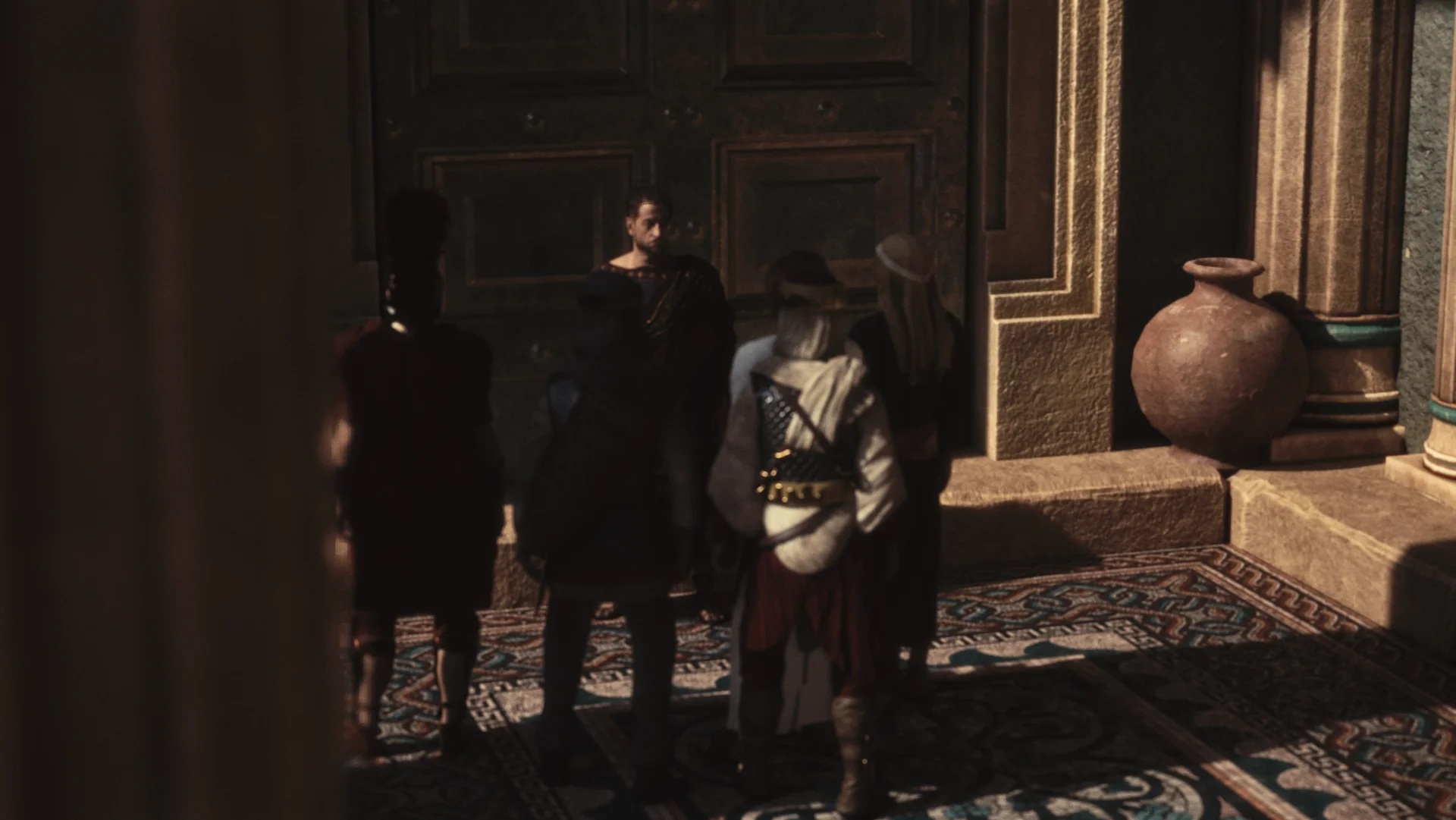
King Herod questions the magi about the birthplace of Jesus
Each winter, nativity scenes worldwide display the three wise men in vivid detail. We spot robed figures atop camels, tracking a blazing star and carrying priceless offerings. Yet, the true identity of these wanderers lies buried deep in antiquity.
Historians and devout believers argue endlessly over the origins of these travelers. Heated debates persist regarding the meaning of their offerings and the child's exact age during their visit. These points remain highly contested elements of the nativity narrative.
Most modern mental images stem from medieval European art, folklore, and seasonal carols rather than holy write. Separating myth from historical reality requires a careful look at ancient records.
1. Scripture Never Names the Three Wise Men
This exact phrase never appears in the biblical text, which surprises many readers. Instead, Matthew employs the Greek designation Magi. This ancient title designated Persian scholars, stargazers, and priests.
These intellectual elites studied astronomy, medicine, and dream interpretation. They served as highly placed royal counselors, not wandering nomads.
2. The True Number of the Three Wise Men
Common lore dictates a trio, yet scriptures never detail a specific headcount. Matthew simply mentions that Magi came from eastern lands. The assumption of three travelers arose solely because they presented three distinct offerings.
Dignitaries of this stature moved in massive caravans. Crossing brutal desert expanses demanded armed escorts, baggage handlers, and attendants.
3. Ancient Roots of the Three Wise Men
Scholars connect these figures to ancient Persia, covering modern Iran and Iraq. They probably followed Zoroastrian traditions and tracked celestial movements. A rare stellar alignment, labeled the Star of Bethlehem, heralded the birth of a king.
This conviction spurred them to embark on a grueling trek across parched desert sands.
4. Great Riches and Influence of the Three Wise Men
The rare goods carried by these eastern visitors were exceedingly scarce. Gold, frankincense, and myrrh served as luxury commodities set aside for monarchs and sacred temples. Carrying such fortunes demonstrated their vast riches and diplomatic clout.
Hauling fortunes through perilous, bandit-filled trade routes demanded heavy protection. They traveled alongside armed security squads rather than wandering alone.

"We saw his star when it rose and have come to worship him." Matthew 2:2
Transform your living room, church office, or Sunday school classroom with a piece that turns scripture into a daily visual anchor. Captured directly from 7th Trumpet Entertainment’s 4K cinematic production "The Three Wise Men Journey to Find Jesus," this high-definition artwork depicts the story of the Magi’s journey following the Star to find a King.
5. Hidden Meaning Behind the Gifts of the Three Wise Men
Each offering presented to the young child carried deep significance. These items pointed to specific elements of his destiny.
| GIFT | SYMBOLIC MEANING | PROPHETIC WEIGHT |
|---|---|---|
| Gold | Tribute for royalty | Represented His royal heritage and status as a king. |
| Frankincense | Incense for worship | Represented His divine nature and priestly duties. |
| Myrrh | Burial spice | Foreshadowed His impending suffering, death, and sacrifice. |
Even if the stargazers did not completely grasp the prophetic gravity of their presents, the items clearly pointed to the child's path.
6. Real Arrival Date of the Three Wise Men
Despite what modern nativity scenes show, these travelers did not arrive on the night of the birth. Matthew notes they visited a house, employing a Greek word that denotes a toddler. Many researchers believe Jesus was several months to two years old by then.
This timeline explains why King Herod ordered the execution of every young boy in Bethlehem aged two and under.
7. The Misconception That the Three Wise Men Were Kings
The famous holiday carol We Three Kings cemented the belief that these visitors were monarchs. Yet, holy texts never label them as royalty. This connection emerged centuries later, inspired by Hebrew prophecies describing rulers bearing gifts to the Messiah.
John Henry Hopkins Jr. wrote the song in 1857, locking this concept into modern seasonal tradition.
8. Heavenly Guidance Protecting the Three Wise Men
Unseen guidance shielded the steps of the Magi. After finding the child, a dream warned them to bypass King Herod, who plotted to kill the boy. Showing great faith, they took a different route home, allowing the family time to escape to Egypt.
9. Medieval Influence on How We View the Three Wise Men
The depiction of three men from diverse lands and generations took root in medieval Europe. As commerce routes expanded, artists used these figures to convey a global message. While absent from scripture, this creative choice reflected the unity of diverse nations.
10. The Lasting Legacy of the Three Wise Men
The story of the three wise men remains powerful because it mirrors the human quest for truth and hope. They were outsiders who did not belong to Israel, yet they followed a heavenly light and made immense sacrifices. Their trek shows that finding truth requires courage and an open mind.
At 7th Trumpet Entertainment, we bring scriptural history to life through vivid visual media. By depicting the Magi as real historical figures rather than legends, we help people connect with ancient texts. Browse our collection or visit our store for biblical art and media that spark wonder.
Prefer to Watch Instead of Read?
We brought this story to life on our channel. Hit play below to watch the cinematic retelling of the Wise Men story, explore the historical setting, and see this timeless biblical story unfold in stunning 4k cinematic style.
